

How Aquatir Processes Caviar: From Rinsing to the Finished Tin
The final stages of caviar production demand careful handling. The roe must be cleaned, salted, packed and checked while preserving the integrity of the eggs. Aquatir describes this sequence on its website, offering a closer look at the work behind the finished product.
Cleaning and draining the roe
The process described by Aquatir begins with rinsing the roe in clean, chilled water. Broken eggs and remaining fragments are removed. The roe is then drained on a sieve before it moves on to salting.
This stage is about careful preparation. Intact eggs need to retain their form, while unwanted material and excess water are removed. It is one reason caviar processing cannot be understood simply as adding salt to a raw ingredient.
Salting and sorting
Aquatir lists salting, weighing and sorting by colour and size as part of its production process. The company also states that roe from different individual fish is not mixed during salting and packing. This keeps the roe from each fish separate through these stages of preparation.
Individual products can differ, so the label and the description of the chosen caviar remain the best sources for its composition and storage requirements. General information about the production line does not replace those product-specific instructions.
Packing and refrigeration
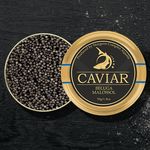
After preparation, the caviar is packed into glass jars or lacquered metal tins and sealed. Aquatir’s published description refers to vacuum-sealing equipment, followed by inspection, labelling and refrigerated storage.
The package is part of this sequence, not merely a presentation choice. It protects the prepared product, while the label identifies what is inside and provides the information needed for subsequent storage and use.
What the laboratory checks
Aquatir describes its own accredited laboratory and both physicochemical and microbiological testing. The stated control system covers raw materials, packaging containers and finished products, with veterinary and sanitary laboratory checks for each production batch.
These checks address matters that a photograph or a tasting description cannot establish. Appearance has a role in sorting, but it is only one element of product assessment. Laboratory control adds a separate layer of verification to the practical work carried out in the processing room.
One sequence, several responsibilities
Rinsing, salting, packing and testing each serve a different purpose. Together, they connect the work of the fish farm with the product that reaches the customer. Read the company’s production overview or explore the Aquatir caviar collection for more information.

Leave a Reply